Package: 50 g.
Star anise (Anisumstellatum). The second is star anise, Chinese anise, Indian anise, Siberian anise, ship anise. The fruits of the star anise tree (Illicium verum) from the magnolia family (more precisely: star anise - Illidaceae. - Ed.). Native to Southeast China.
Evergreen tree 2-4 m tall with a compact pyramidal crown. The leaves are lanceolate, about 4-9 long, 1.2-3 cm wide, shiny on top, bright green, dull on the bottom, with the aroma of anise when rubbed. Flowers are bisexual, yellow or purple, single, axillary. The spiral perianth consists of 18 lobes, of which the outer ones are obovate, the inner ones are narrow-lanceolate, about 10-22 mm long and 3-5 mm wide. The number of stamens varies from 4 to 50, their threads are thick and short. The fruit is assembled, consisting of many one-seeded woody leaflets. The star can be 6-10, most often 8-ended. At first it is fleshy, then woody. Its color is from light brown to dark reddish. Inside the leaflet is one hard shiny brown seed 6-7 mm long. It grows in forests-groves and thickets of shrubs at an altitude of 600-1600 m. in. m. Sometimes it forms thickets.
It is cultivated in Southeast China, Vietnam, Japan, the Philippines, Jamaica, India and other countries. Homeland — Southern China, Northern Vietnam.
Use:
In confectionery products, star anise is placed in the dough during the preparation process. When heated, it will begin to give off its aroma, which will be preserved in the finished product - this is characteristic only of star anise. Ego is added to sweet dishes 5-10 minutes before readiness. After that, you must remove the dish from the heat, cover it with a lid and let it infuse. In this case, 1-2 cloves or a quarter of a teaspoon of powder per 1.5 liters are enough. You can put 2-3 times more ego in meat dishes - up to 1 gram per serving.
In Europe and Ukraine, star anise is added mainly to sweet dishes - cookies, pies, jelly, fruit dishes. It not only improves the taste, enhances the aroma, but also increases the shelf life. For example, cherry jam with star anise is stored for three years and is not sweetened. We rarely cook meat and poultry dishes with star anise, which is not the case in Eastern countries. In China, Burma, Korea, Japan, the Philippines, Indonesia, and Indochina, they like to add it to grilled lamb, pork, and poultry, especially pheasants, chickens, and chickens. In this case, star anise is sprinkled on the meat even thicker than salt. The taste of meat will be even better if star anise is mixed with vegetable oil and sugar. When preparing sauces for vegetable, rice and egg dishes, star anise is mixed with onion, pepper and garlic. In Western Europe, especially in France, star anise is added to vodkas, tinctures and liqueurs. Star anise can be replaced with anise in some dishes. But star anise does not have anise sweetness, so true gourmets try not to do this. Star anise should not be confused with Japanese star anise, the second name of which is "poisonous". Another counterpart of star anise grows in the Caucasus, Siberia and Central Asia - this is wild star anise. Its smell is very strong and unpleasant, and the essential oil it contains can cause burns on the skin.
Dried fruits, ground into powder, are used as a spicy and aromatic additive. Star anise is used as a spice in the same way as anise, in dough products and especially for cookies, various fruit soups, puddings and compotes - from plums, quinces, pears and apples. Star anise harmonizes with black pepper, fennel, cinnamon, cloves, and ginger. Ego is used to obtain various spices for adding to pork, duck and chicken dishes. Strong tea with sugar and star anise is popular in various countries. It is used in the food and canning industry, in the production of marinades, in the bakery and confectionery industry, in the pharmaceutical and cosmetic industry. (It is part of Pectusin, which gives it not only a characteristic taste, but also a good therapeutic effect).
Kiev legend says that at the turn of the century, the business of the famous Balabukh confectionary family suddenly began to burn out after a long period of prosperity. Then an idea appeared that promised to bring profit: medicine-candy. Caramel from gastritis, candy bars from sciatica, lollipops from rheumatism. The specially hired Czech confectioner Sobitek developed many special recipes for such sweets. Cough lollipops were the most successful of them. Star anise was responsible for the medicinal effect and specific taste of these candies. It is familiar to us from cough medicines, but now most medicines use anise instead of star anise, which has a similar but sharper smell.
Content of useful substances:The raw material contains resins, tannins, sugar, 5-7% aromatic essential oil, the main component of which is anethole, it also contains terpenes. The aroma is spicy, refreshing and sweet, the taste is pleasant.
Chef's advice:
The taste and aroma of cherry, plum, plum, plum, quince jam will be much better if star anise is added to it at the end of cooking (10-15 minutes before it is ready). allows long-term heat treatment, so you can put it at the very beginning of cooking.
Use star anise carefully - its excess can make the dish bitter. One tip of a star is enough for a one-liter can of compote, and a whole star is enough for a bowl of jam.
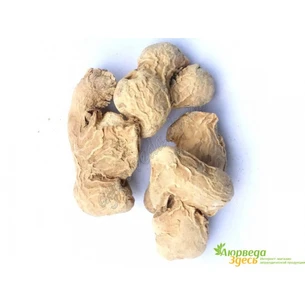
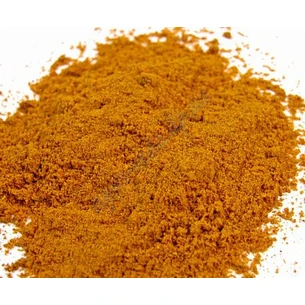
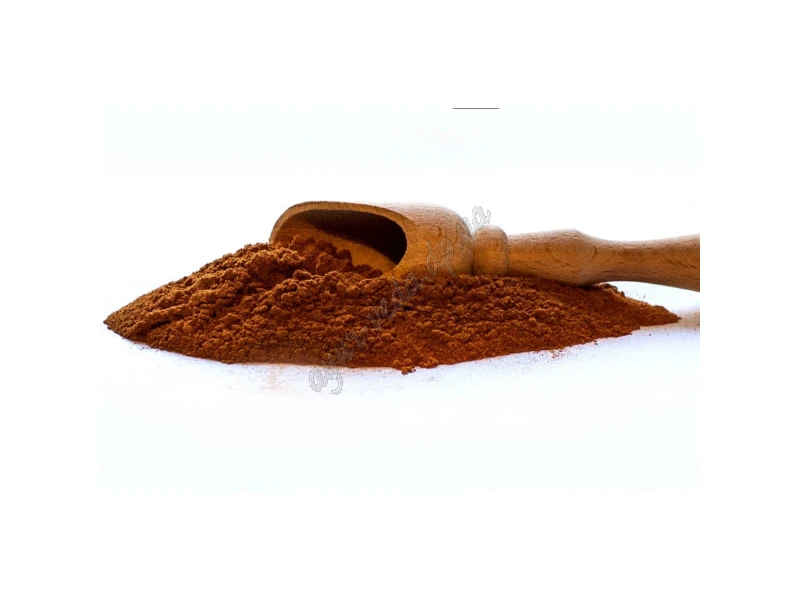
Ground star anise 50 g, for cooks and doctors! Ayurveda Here
Ayurveda Here! - an online store of Ayurveda, cosmetics, Indian tea, spices, Indian clothing and jewelry. The best selection of Ayurvedic products in Ukraine! Beauty and health for you and your family, esoteric shop, esoteric shop, souvenir shop, Indian souvenirs, incense, agarbattis, #аюрведаздесь http://ayur-veda.dp.ua/