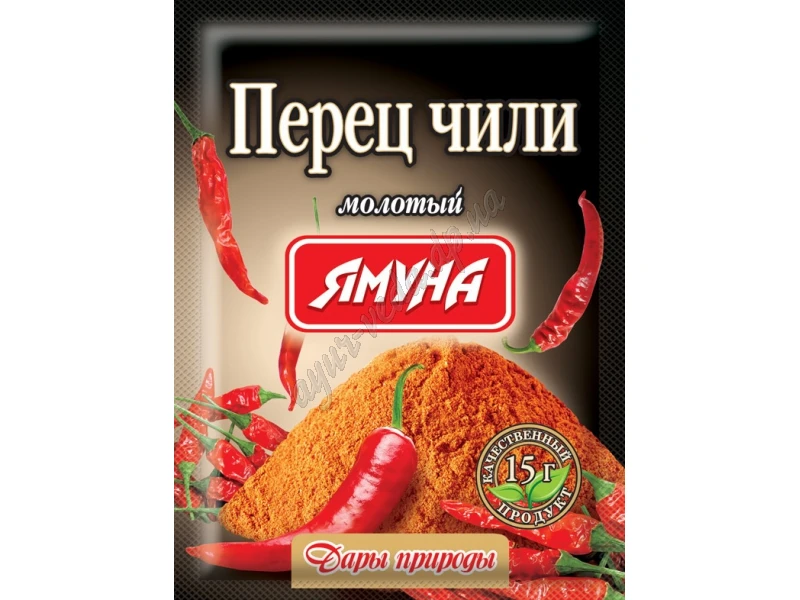
Package: 15 g.
Capsic pepper, chili (Capsicum annuum L.) is an annual herbaceous plant up to 60 cm tall. Pepper fruit is a large hollow, oblong or round berry up to 20 cm long. To date, a large number of species are known, among which there are long-fruited, with large fleshy fruits and small-fruited (up to 1 cm), the so-called cherry pepper, various types of sweet pepper, from fruity to extremely hot pepper.
Chili pepper is the smallest member of the Capsicum family. Native to tropical America, chilies have been popular since the prehistoric Inca and Aztec tribes. There are several varieties and sizes of chilies, all of which differ in flavor and degree of spiciness. They are red, green, yellow, orange and black, but the degree of spiciness does not depend on the color of the peppers, for example, red chilies are simply riper than green ones.
Chili pepper (mirch) differs from ordinary red pepper in its brighter color, sweetish smell and pronounced medicinal effect on the body.
Manufacturer: MPP company "Yamuna", st. Dvoretska, 182, Rivne, Ukraine, 33001
Capsicum annuum L. is an annual herbaceous plant up to 60 cm tall. Pepper fruit is a large hollow, oblong or round berry up to 20 cm long. Today, a large number of species are known, among which there are long-fruited, with large fleshy fruits and small-fruited (up to 1 cm), the so-called cherry pepper, various types of sweet pepper, from fruity to extremely hot pepper.
Chili pepper is the smallest member of the Capsicum family. Native to tropical America, chilies have been popular since the time of the prehistoric tribes of the Incas and Aztecs. There are several varieties and sizes of chilies, all of which differ in flavor and degree of spiciness. They are red, green, yellow, orange, and black, but the degree of spiciness does not depend on the color of the peppers, for example, red chilies are simply more mature than green ones.
Chili pepper (myrrh) differs from ordinary red pepper in its red color, sweet smell, and pronounced medicinal effect on the body.
Characteristic and origin:The chili family is tropical America. As evidenced by finds in Peruvian burials, it was cultivated here long before the discovery of America. The Spaniards and Portuguese, who discovered these spices for Europeans during their voyages, called it "Indian". Currently, hot pepper is grown in most countries located in the tropics, but most of all - in India and Thailand. Red pepper fruits are dried whole or ground, when dried, the pods acquire thicker shades, from dark to orange-red. Usually, peppers are dried in the sun, which is why they shrivel, then, freed from the cups, they are ground. This is how cayenne pepper is born, named after the city of Cayenne in Guyana (South America). You can hang pepper pods in a dry place and keep them dried all winter. This pepper can be used fresh in pods (mainly in vegetable dishes and pickles). In dry form, red pepper is used both in pods and in ground form.
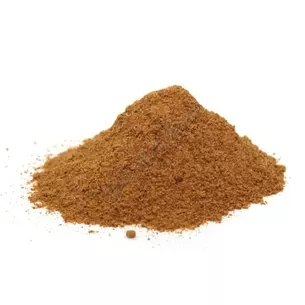
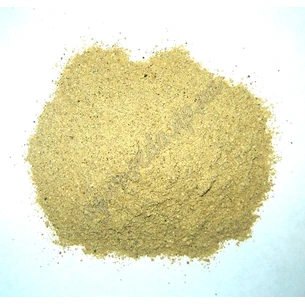
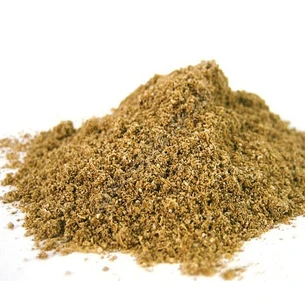
Chile powder is dark red in color, with a burning, spicy taste. Only dry and ground chili can be added to dishes with chili, but more often they make a mixture of seasonings and spices — chili powder, oregano, cumin, garlic, and salt. Depending on the variety, the taste of chili can be quite mild, but also very hot, and its saltiness is also different. The best chili powder contains only ground chili pepper, and it is dark red rather than brown. There are hundreds of types of chili, with different tastes and degrees of spiciness. The spiciness of chili depends on the amount of capsaicin, the oil contained in the seeds and pulp of chili. This oil can burn the skin and eyes, so when preparing chili, it is better to wear rubber gloves and cut out the middle with the seeds.
Mexican cooks and cooks from the American Southwest prefer to make their own chili powder. To keep chili powder fresh, store it in the freezer.
As a rule, red peppers are hotter than green ones. The smaller and thinner the chilies, the hotter they are. Imagine, chili connoisseurs recommend biting into a pepper to taste it! The hottest part of chili is the seeds and plates inside, remove them with a spoon or a sharp knife and the chili will be more sweet than fiery. The substance that gives chili peppers their hotness is called capsaicin, and the largest amount of it is contained precisely in the seeds and inner plates. To extinguish the fire, remove the seeds and plates, but be careful - the essential oils released during cleaning can cause skin irritation. If you have sensitive skin, wear rubber gloves before preparing chili and wash your hands thoroughly after finishing work. As a general rule, the smaller the chili, the hotter it is. If you're not sure about the hotness of the chili you're using, use very little at first, taste the dish, and then add as much as you need. Chili powder is made from chili varieties grown in the East. Peppers used for powder are often first baked, which gives them and the resulting spices more aroma.
Fresh sweet and hot peppers are used as vegetables for salad, fresh and dry ground as spices. Pepper is added to soups, especially tomato, fish, goulash, almost all types of meat and sausages, used to prepare fish, sauces, beans, cabbage and rice. Vegetable pepper is also served with meat, bread, and various cheeses. They are often preserved with various vegetables or separately. It should be remembered that pepper cannot be poured into boiling oil, because it loses its color, turns black and becomes bitter.
In poor countries, for example, in India, chili peppers are an indispensable ingredient in everyday dishes, as this is a cheap way to make food tastier and more aromatic. It is worth remembering that people who often eat chili, for example in Mexico and East India, get used to the spiciness. Therefore, if you are not familiar with them yet, use them sparingly! The seeds are especially hot in peppers, in particularly severe cases they can cause internal burns, so clean them before cooking chili.
Chili pepper does not always mean tears from the eyes and a fire in the throat. Today we will tell you about all possible popular varieties of chili (from the hottest to the mildest), tell you how to prepare them and what to serve them with!
Ground is most often used in sauces, in salad dressings, in kefir, yogurt, matzona, it is sprinkled on egg and rice dishes, it is added to stewed meat, marinades. Whole pepper - put in borscht, soups (during cooking, not in the finished dish). It is good to add ground red pepper to mashed potatoes in combination with garlic, coriander, basil, thyme, bay leaf powder.
There are many varieties of fresh chilies. All of them are sharp and spicy, but differ in shape, color and intensity of taste. Most of them are green at first, and become red with maturity, but you can find white, orange, and even black chilies. Chili peppers differ noticeably in taste - from mild to burning. The basic rule is that the smaller the pod, the hotter it is. Small Thai chili, "Habanero" and "Scotch Beret" are scorchingly hot, "Jalapeño" and "Serrano" are slightly less.
Varieties of chili. Brief description.
HABANERO (Scotch Bonnet or Habanero)
This is the hottest, most brutal of all chilies. The wrinkled and round pepper has a fruity taste. Add whole ego to curries or goulash. Remove before serving.
BIRD'S EYE (Bird's eye)
Thin sharp-angled pepper has an extremely sharp taste. Cut the ego into thin strips for use in dishes. It is often used in oriental dishes.
SERRANO
A small hot pepper in the shape of a ball. They add spiciness and crunch to salsas and sauces.
JALAPENO (Jalapeno)
Snowy red or green chile, sometimes medium-hot and very hot. Good with meat dishes and cheese, popular in Mexican cooking. Good in slow-cooked dishes or in baked dishes to bring out their smoky flavor.
ANAHEIM (Anaheim)
Long, large chiles with a mild, fresh taste. Can be used as a vegetable - excellent for stuffing and baking. It is included in the composition of various sauces, including ketchup, as well as in the composition of the popular spicy curry mixture. Pepper goes well with meat, vegetable, bean and rice dishes, giving them a hot taste and aroma.
The hot taste of pepper is given by the alkaloid capsaicin, in addition, it contains fatty oils, carotenoids, capsorubin, capsanthin and carotene, sugar, vitamins C, A and B.
It is customary to scold lovers of spicy food for their reckless attitude body It is believed that such food has a bad effect on the stomach and worsens well-being. However, recent studies have shown that chili peppers can cure many ailments.
The Reuters agency reported on the discovery made by Australian scientists. A group of researchers from the University of Tasmania found that chili peppers help people cope with insomnia. 10 volunteers suffering from sleep disorders took part in the experiment. For a year and a half, Professor Dominika Jerati and her colleagues observed people's reactions to chili peppers. The result was stunning. A chili pod a day helped people fall asleep more soundly and quickly. Restoring sleep is not the only benefit that this spice can bring. Chili pepper is believed to prevent the development of cancerous tumors. This was reported by scientists from the University of Pittsburgh. But the fact that people who eat a lot of fruits and vegetables are less likely to suffer from cancer is a long-known fact. Much more interesting information received from employees of Kumamoto University (Japan). They believe that chili pepper can be used to create a medicine that will create a sensation. It will promote hair growth. This vegetable contains compounds of capsaicin, which not only gives the pepper its sharpness, but also increases the activity of calcitonin genes (CGRP), stimulates sensory nerves. The CGRP gene, in turn, gives a boost to the growth stimulator responsible for hair growth.
Raw pepper contains 2 times more vitamin C than lemon. In addition, chili promotes the production of endorphins, which stimulate the immune system, improve blood circulation, relieve pain and reduce stress. It is these "hormones of happiness" that make spicy lovers bite this fruit again and again. Their brain receives information that the body is in danger and releases endorphins into the blood in order to reduce shock and stress. But since there is no danger to health, people just enjoy it.
Representatives of many southern cultures simply cannot imagine their life without chili. Mexicans believe that pepper helps their mind become lighter, they say that if you eat pepper, you can feel your head separate from your body. Residents of India, famous for their excellent health, always add chili to their food. But the Thais have the most spicy food. They eat more pepper than any nation in the world.
The famous George Washington asked about a weakness for bitter pepper. He was famous not only as the first president of the USA, but also as a successful gardener, his pepper plantations inspired respect throughout America.
Earlier it was established that chili peppers can be used to treat some complications of diabetes. Moreover, it should be remembered that hot pepper is categorically contraindicated for people with diseases of the gastrointestinal tract.
Chili normalizes the activity of the nervous tissue of the brain, treats epilepsy. Activates digestion, increases secretion of gastric juice, improves liver function, treats hepatitis of various etymologies. It has a therapeutic effect in benign tumors, bronchial asthma, and allergic diseases. Treats atherosclerosis of the vessels of the whole body. This spice gives food sharpness. Add to taste.
Chef's tips:
When buying fresh chili, choose bright, crispy peppers with a thick, smooth skin, without wrinkles.
Store in a plastic bag in the refrigerator for 2 weeks or in the freezer for up to 1 year. Do not take withered, damaged and damaged ones. Chili is also sold in dried form, soak it in hot water for about 30 minutes before use.
Caution: When preparing chili, do not touch your eyes, nose or mouth with your hands. The highly saturated oil from the seeds gets on the fingers and can cause severe pain if it gets on a wound or scratch. It is best to wear rubber gloves or prepare chili under running cold water.
Burn with red pepper. Fire in the mouth? What should be done with red chili pepper burns.
It seems that the most correct thing to do in this situation is to pour a mug of cold beer or a glass of water into your mouth, but in fact, this will only increase the burning sensation. It is best to drink a glass of milk or eat a spoonful of yogurt, or try a traditional Indian drink called lassi (equal proportions of yogurt and water with ice). The same effect can be achieved by taking ice cream or water in your mouth, if you do not drink it. Eat a piece of fresh bread, boiled potatoes or rice. They will absorb the unpleasant hot capsaicin oil contained in chili.
Ground chili pepper 15g Yamuna red, Chili pepper, Ayurveda Zdes
Ayurveda Zdes! - an online store of Ayurveda, cosmetics, Indian tea, spices, Indian clothing and jewelry. The best selection of Ayurvedic products in Ukraine! Beauty and health for you and your family, esoteric shop, esoteric shop, souvenir shop, Indian souvenirs, sari, Saris, himalaya, Dabur, Nagarjuna, shatavari, incense, bijouterie, agarbatti, incense, Ayurvedic preparations from India, chavanprash, triphala, dabur, Himalaya,#ayurvedazdesde http://ayur-veda.dp.ua/