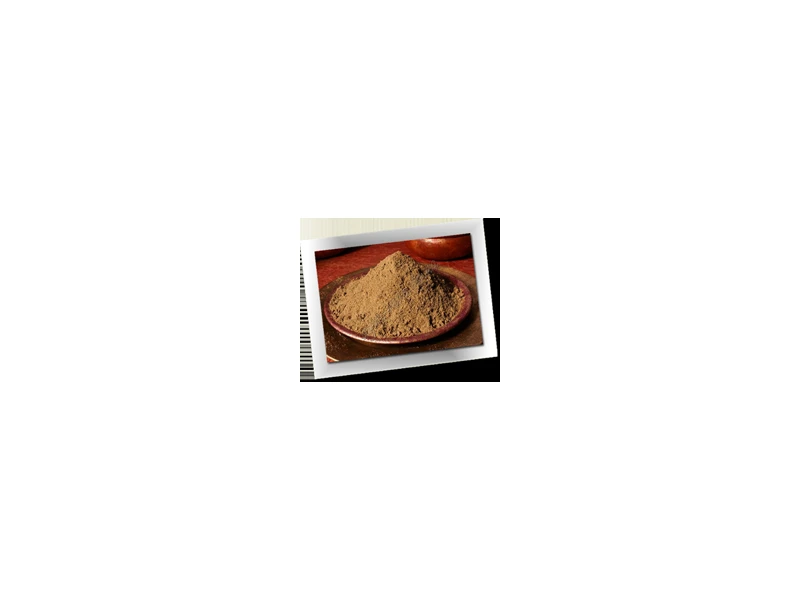
Packaging: 50 g.
Zira (lat. Cuminum cyminum, Chinese Jeera) also known as zra, Roman cumin, black cumin, cumin, cumin, kammun, chaman, zar, zatr is the unsung queen of spices in the East. Cumin has a strong, bitter, slightly nutty aroma.
India is the motherland of zira, although it historically happened that its main producer is Iran. At the moment, there are four main types of zira: Persian, Kirman, Syrian and Nabatean. Although, I also came across mentions of Tajik zira, Persian, Pamir, Indian, Pakistani, Kulyab, mountain, yellow and black. In general, the variety is very large. At the same time, each species has its own characteristics and can differ greatly both in appearance and in taste or aroma.
Cumin seeds are similar to celery seeds, but they are striped like cumin. Moreover, it is similar to cumin in the aroma, but it is stronger, denser, if you can say so. By the way, it should be said that if you read a recipe for eastern cuisine and come across the word cumin, then you should understand zira. First, cumin is little known in most Eastern countries, hence its alienness to Asian cuisine. Secondly, due to historical confusion during translation, zira received the same name in Europe as cumin. This is due to the fact that both cumin and cumin are called jeera (cumin - Jeera or Safaid jeera, cumin - Kala jeera, Shahi jeera, Chahi jeera, Kashmiri jeera) in the names of both cumin and cumin, add to this the origin of the words kamon and cumin and you will get such confusion that the devil himself will break his leg. Just remember, there is no cumin in oriental dishes, cumin is, in principle, much less common, if you take into account the difficulty of translation.
But it's time to move on to the use of zira in cooking. Considering the hotness of the spice, it is used in an amount of no more than 0.2 grams of zira per portion. Do not forget the fact that substances contained in fat dissolve better than, for example, in water. So it is better to fry it in fat (vegetable or animal) before use, which will transfer the aroma and taste. Although, here a lot depends on the specific recipe.
Thanks to the aroma of zir, it is widely used by bakers and confectioners, it is used to prepare sour-milk dishes. Zira is often indispensable when preserving cucumbers, tomatoes, cabbage or in recipes for marinades for mushroom preparations. In this case, both whole seeds and powder can be used.
Real pilaf is unthinkable without zira, the aroma of which would not be so rich without zira. It completely changes the aroma of potato soups, fish dishes and all kinds of meat (especially with any heat treatment) for the better, of course.
In India, for example, zira is widely used in vegetable dishes, and in Greece, for the most part, it is used in sausages and Stifato. In Uzbekistan, it is added to pilaf, all kinds of soups, flour products, hot dishes and cold snacks, and in Kyrgyzstan it is used to flavor grilled meat with vegetables, it is used in marinades and sauces for meat. But in Armenia, with the use of zira, they make a special cheese-dried sausage, sujukh.
This is only a small part, because cumin is part of chili, bahrat, curry and garam masala. Imagine what the spectrum of its application is in the end.
By the way, zira perfectly protects meat from spoilage. Its crushed seeds mixed with salt can preserve meat for a week. It is not surprising that this property of zira is widely used in the preparation of lamb and horse sausages.
As a spice, not only the seeds are used, but also the greens of zira, which have a pleasant aroma and a sharp taste, just like the seeds. It is used in soups, minced meat and vegetable dishes.
Zira, cumin, useful spice 50 grams, Ayurveda Zdes
Ayurveda Zdes! - online store of Ayurveda, cosmetics, spices. The best selection of Ayurvedic products in Ukraine! Beauty and health for you and your family! http://ayur-veda.dp.ua