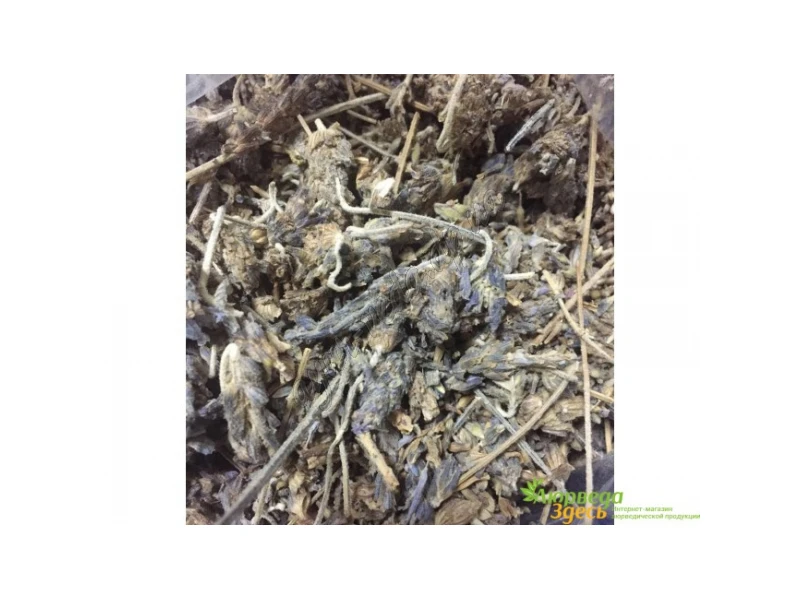
Packaging: 50 g.
The use of lavender dates back a thousand years and was first used by the Egyptians. Both the Greeks and the Romans had many uses for it, the most popular of which was to use lavender for bathing, cooking, as an ingredient for perfumes, healing wounds, and from insects. During the epidemic, people made bonfires and threw lavender blossoms into them - the smoke penetrated into homes, protecting against diseases.
Interesting to know!
The name lavender comes from the Latin lavare - "to wash, clean", it reflects the antiseptic and hygienic properties of the plant, which the ancient Romans knew about.
English folklore says that a mixture of lavender, wormwood, chamomile, and petals Rose attracts fairies, house elves and elves.
Lavender is one of the ingredients of mercury.
Recent studies have shown that dental prostheses are covered with wax containing a mixture of lavender, rose and sage, which produces an anti-inflammatory and antiseptic effect. Application
Lavender, like many aromatic herbs, contains a high amount of essential oils. In addition, lavender contains tannins, resins and bitters. Due to the excellent chemical composition of dry lavender, infusions and mixtures with inflorescences have a beneficial effect on the human body.
Lavender oil is rubbed into the temples of the head to relieve headaches, and also added to baths or cloth bags to treat insomnia.
In traditional medicine, the lavender flowers presented in our store are most often used to treat neurasthenia, vegetative-vascular dystonia, inflammatory processes in the kidneys, adrenal glands, bladder, diseases of a cold nature (angina, whooping cough), climacteric neurosis. Locally, lavender helps to cure sciatica, neuritis, osteochondrosis, ankylosing spondylitis, as well as trophic ulcers with varicose veins.
The aroma of lavender is considered soothing and helps relieve nervous tension.
Recommended!
Soak a small pinch of lavender in boiling water and you will create a natural herbal tea, as effective as chamomile tea. to soothe tired nerves.
Research published in the Journal of Medical Microbiology found that lavender oil can be very effective in combating antifungal resistant infections. Some studies even suggest that lavender will help with digestive problems, such as vomiting, nausea, intestinal gas, indigestion, and bloating.
Dry lavender flowers are often added to preparations with expectorant, anti-inflammatory, and antiseptic properties.
Lavender recipes
Infusion to relieve nervous tension
5 grams are required (1 teaspoon) dry lavender flowers pour boiling water. Insist for 15-20 minutes. It is recommended to take three cups a day before meals.
Tea for sleep disorders
1 tsp. dried mint and 1 teaspoon of lavender pour boiling water (500 ml). Insist for 15 minutes. Drink 1 hour before bedtime.
Infusion for the treatment of neurasthenia, vegoto-vascular dystonia, ischemic heart disease, hypertension, nervous exhaustion, climacteric neurosis
Composition: 50 g of lavender flowers 50 g of prickly hawthorn leaves 40 g of medicinal lemon balm 30 g of hop cones 2 liters of boiling water. The infusion is taken 30-40 ml 3 times a day half an hour before meals. The course of treatment is 6-12 months with monthly breaks of 7-8 days.
Infusion for the treatment of acute and chronic bronchitis, pneumonia, laryngitis, tonsillitis, inflammatory diseases of the oral cavity
Composition: 50 g of dry lavender 50 g of black poplar buds 40 g of mother-and-stepmother leaves 30 g of peppermint 20 g of black elderberry flowers 2 liters of water Take 50 ml of the decoction 2-3 times a day 30 minutes before meals. The course of treatment is 3-5 weeks. In the early autumn, winter and early spring months, preventive treatment of chronic diseases of the upper respiratory tract is carried out.
Use of lavender in cooking
Lavender is used as a flavoring in some products, such as milk souffles, gelatin, puddings and candies. Inflorescences go well with Ceylon black tea. Lavender has become a popular addition to salads and soups in recent years.
Dried flowers of this plant go well with thyme, dill, sage, thyme, mint, and lemon balm. As a spice, it is known, first of all, as one of the important aspects of French cuisine and is an integral ingredient in Provencal herbs.
Lavender can be used alone to give a delicious, floral aroma to desserts, meats and breads. Flowers can also be put in sugar to infuse it with a characteristic lavender aroma for cookies and candies.
Recipes with dry mountain lavender
Marinade for pork
200 ml of dry white wine 1 tsp. lavender 2 tbsp. olive oil 1 tbsp. mustard 1 tsp. lemon zest 1 tsp. ground black pepper 1 tsp. honey 1 tsp salt. Mix all the ingredients and rub the meat. Marinate for about 3-4 hours.
Lavender sugar
To prepare, mix 1 kg of sugar with 3 tablespoons of lavender flowers. Place in a tightly closed jar. After a week, the sugar will have a pleasant and delicate smell. Lavender sugar is used for baking and as ordinary sugar.
Lavender dried 1 C, 50 g., Ayurveda Zdes
Ayurveda Zdes! - an online store of Ayurveda, cosmetics, Indian tea, spices, Indian clothing and jewelry. The best selection of Ayurvedic products in Ukraine! Beauty and health for you and your family! esoteric shop, esoteric shop, souvenir shop, Indian souvenirs,http://aur.in.ua/ #ayurvedazdes http://ayur-veda.dp.ua/