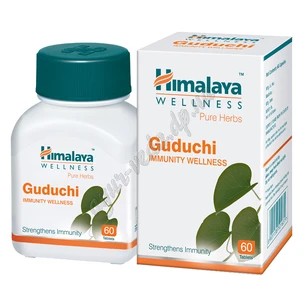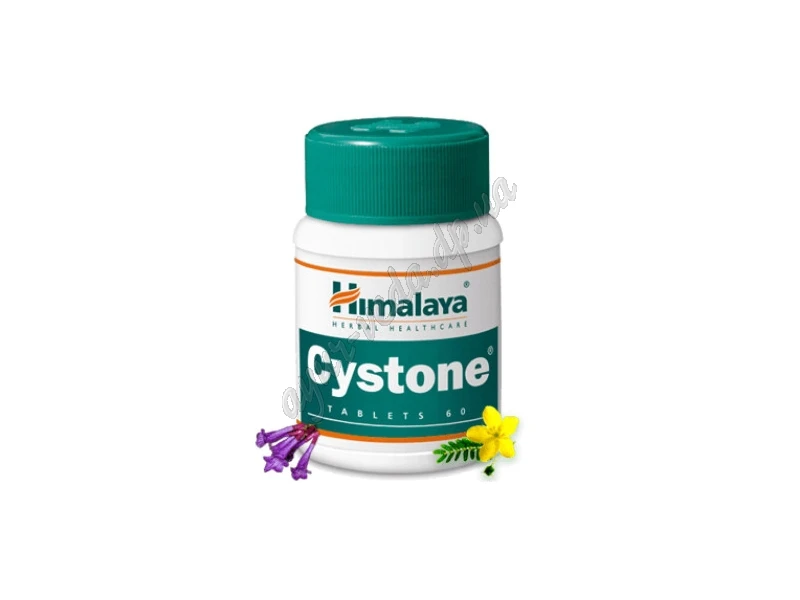
Packaging: 60 tabs.
Dietary supplement. It is not a medicine.
Product form: tablets
Recommendations for use: a dietary supplement to the diet, which can be recommended for general strengthening of the body. It has anti-inflammatory and diuretic properties, and is also able to prevent the formation of kidney stones and the destruction of existing ones. It is recommended to follow a balanced diet, limit animal fats, sugar, sweets, alcohol.
The dietary supplement should not be used as a substitute for a full-fledged diet.
Method of use: 1-3 tab. with warm water 1-2 times a day.
Recommended for use: adults and children over 12 years of age Duration of use 20-30 days.
Consult with a doctor before use.
Contraindications: individual sensitivity to components, children under 12 years of age, pregnancy, lactating women, acute gastritis, peptic ulcer disease of the stomach and duodenum.
Ingredients: leaves of didymocarpus pedicellata (Didymocarpus pedicellata) — 65 mg, roots of Saxifraga ligulata — 49 mg, roots Rubia cordifolia — 16 mg, Cyperus scariosus rhizome — 16 mg, Achyranthes aspera seeds — 16 mg, Onosma bracteatum — 16 mg, Vernonia cinerea — 16 mg, powders: lime silicon (Hajrul yahood bhasma) — 16 mg, purified mineral resin (Shilajeet purified) — 13 mg, which are treated with water extract from: cornflower grass (Ocimum basilicum), tribulus terrestris fruits, Mimosa pudica seeds, Dolichos biflorus seeds, fragrant peony (Pavonia odorata), horsetail (Equisetum arvense), teak tree seed (Tectona grandis seed), auxiliary substances: microcrystalline cellulose, sodium carboxymethyl cellulose, magnesium stearate, crospovidone, silicon dioxide colloidal anhydrous, dye (yellow, ocher).
Its mild universal effect is realized due to combinations of a large number of specific herbal extracts and mineral substances. They include extracts of the following plants: Didymocarpus pedicellata (lat. Didymocarpus pedicellata) is a little-known Himalayan plant that contains pedicin, isopedicin, pedicillin, tannin and gallic acid. It has pronounced astringent and antitumor effects. In addition, it has antioxidant and antimicrobial properties. Helps destroy stones in the urinary tract. Regulates the absorption of calcium ions in the gastrointestinal tract. Tannins provide pronounced nephroprotective activity of the drug. The active substances of the plant also affect purine metabolism, which allows it to be used for the treatment of gout (Chopra R.N., 1996). One tablet contains 65 mg of stem didymocarpus flower extract, saxifraga ligulata (lat. Saxifraga ligulata) is a perennial plant common in rocky areas. It has soothing, anti-inflammatory, bactericidal and analgesic properties, thanks to which it is widely used in folk medicine. Lomykamin is rich in such biologically active substances as saponins, coumarins, alkaloids and glycosides (Asolkar L.V., 1992). It should be taken into account that the extract of this plant is contraindicated for pregnant women (although it is known to enhance lactation) and children under 2 years of age, as well as for people with increased blood coagulation. One tablet contains 49 mg of an extract of the stems of the cordifolia (Latin Rubia cordifolia), widely distributed in Siberia and Asia. It is rich in cardenolides, triterpenoids, rubifolic and rubiconmaria acids, asperulosil. The plant has long been used to regulate salt metabolism in the body. Its roots contain rubeic acid, which helps dissolve oxalate stones in the kidneys (Jisha J., 2008). One tablet contains 16 mg of the extract of this plant, Cyperus scariosus (lat. Cyperus scariosus) is a perennial plant common in Central Asia and used in Ayurvedic medicine. It is a distant relative of papyrus, known for its bactericidal, diuretic and wound-healing properties. 1 tablet contains 16 mg of an extract of the rhizomes of Achyranthes aspera, Achyranthes aspera - another plant very popular in India, China and Nepal. It can be called the most popular medicine in Nepal. It is characterized by litholytic, antispasmodic, diuretic and anti-inflammatory effects (Nayar S.L., 1996). However, its use is not recommended for pregnant and lactating women, as well as children under 6 years of age. 1 tablet of Cystone includes 16 mg of the extract of the seeds of the rough straw flower, Onosma bracteatum (lat. Onosma bracteatum), which is widely distributed in warm regions of Europe and Asia. It is characterized by pronounced diuretic and myotropic (eliminates spasm of smooth muscles) action. One tablet of the drug contains 16 mg of the extract of the above-ground part of the primrose, Vernonia cinerea (lat. Vernonia cinerea) - a plant that is common in warm regions of the world. It is known for its properties to prevent urinary stasis, and this effect, in turn, is one of the most important in the prevention of urolithiasis (Mohanty N.K., 2010). One tablet contains 16 mg of vernonia ash extract. In addition to plants, the composition of Cyston includes the following mineral substances: purified mineral resin is a well-known general tonic agent, which includes a large number of mineral and organic components (humic substances). It contributes to the correction of metabolic processes. One tablet of Cystone contains 13 mg of this substance, lime-silicon powder (16 mg per tablet) has a diuretic effect and promotes the disintegration of stones due to the effect on mucin, which binds individual crystals into a single mass. In addition to the substances listed above, Cyston also includes (without a standardized dosage) aqueous (steam) extracts of the following substances: cornflower grass, or fragrant basil (lat. Ocimum basilicum) — has a tonic effect on the body, is widely used for cystitis due to its astringent properties, the fruits of slanky anchovies (lat. Tribulus terrestris) — contribute to the removal of stones from the kidneys and urinary tract ways thanks to a large number of biologically active substances, including sitosterol, campesterin, isorhamnetin, aglycone, rutin, dioscin, gracilin, as well as tannins and bioresins, the seeds of shy mimosa (lat. Mimosa pudica) are rich in tannin, L-mimosine and calcium oxalate. These biologically active substances help to reduce bleeding and accelerate the healing of any damage to the epithelium, the seeds of Dolichos biflorus (lat. Dolichos biflorus) — have a diuretic effect, help to dissolve stones in the kidneys and bladder, the stems of the fragrant pavonia/swamp smeller (lat. Pavonia odorata) — a plant from the mallow family, common in Asia and Africa, with pronounced bactericidal action, horsetail stems (lat. Equisetum arvense) contain a large amount of alkaloids (nicotine, equisetin), flavonoids, saponins, organic acids (malic, aconitic, oxalic) and polyoxyanthraquinone compounds, as well as tannins. The plant is known for its diuretic and hemostatic effect. However, it must be taken into account that it can irritate the parenchyma of the kidney in case of nephrosonephritis, the seeds of the teak tree (lat. Tectona grandis) have astringent, antibacterial properties, which help to reduce the severity of the inflammatory process in the urinary tract.
Cyston 60 tab. Himalaya, Himalaya Cystone, Ayurveda Here
Ayurveda Here! - an online store of Ayurveda, cosmetics, Indian tea, spices, Indian clothing and jewelry. The best selection of Ayurvedic products in Ukraine! Beauty and health for you and your family, esoteric shop, esoteric shop, souvenir shop, Indian souvenirs, sari, Saris, himalaya, Dabur, Nagarjuna, shatavari, incense, bijouterie, agarbatti, Ayurvedic preparations from India, chavanprash, triphala, dabur, Himalaya,#ayurvedazdesde http://ayur-veda.dp.ua/