Description
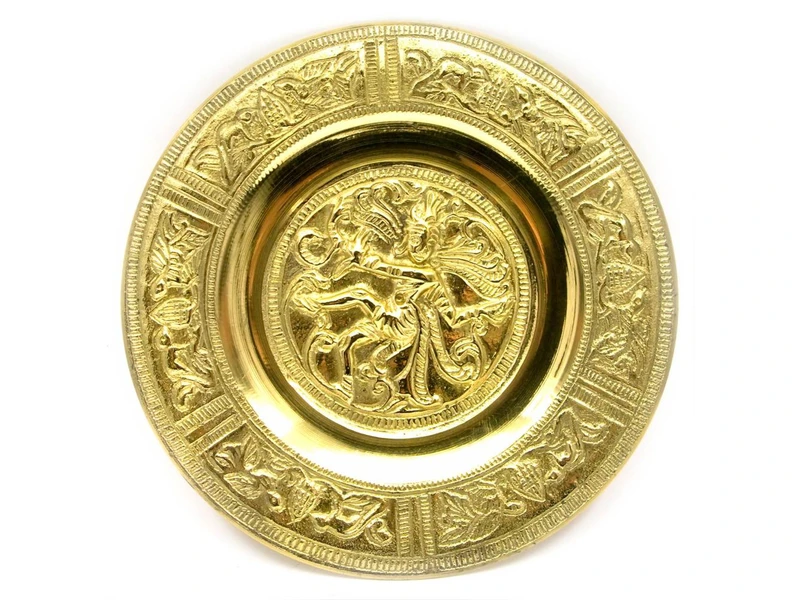
Dance of Shiva (Nataraja) is an image of Shiva in a dance pose, which is one of the most famous and popular images in Hindu iconography. Shiva's dance symbolizes the cycle of time, the cyclical nature of all that exists and the eternal movement of the universe.
Dancing Shiva is depicted in a pose called Tandava, which is described as a powerful and dynamic dance that symbolizes the destruction of all that is old and the creation of the new. It is also a symbol of the balance between the forces of chaos and order, destruction and rebirth, life and death.
Along with dancing, Shiva is also depicted with four arms that symbolize the four aspects of human life - science, art, morality and spiritual development.
Shiva's dance is one of the most popular and well-known images in Hindu culture and is often used in art, philosophy and religion. It symbolizes the eternal movement of the universe, the balance between the forces of chaos and order, and reminds us that everything that exists in our world is temporary and subject to change.
Dancing Shiva is depicted in a pose called Tandava, which is described as a powerful and dynamic dance that symbolizes the destruction of all that is old and the creation of the new. It is also a symbol of the balance between the forces of chaos and order, destruction and rebirth, life and death.
Along with dancing, Shiva is also depicted with four arms that symbolize the four aspects of human life - science, art, morality and spiritual development.
Shiva's dance is one of the most popular and well-known images in Hindu culture and is often used in art, philosophy and religion. It symbolizes the eternal movement of the universe, the balance between the forces of chaos and order, and reminds us that everything that exists in our world is temporary and subject to change.