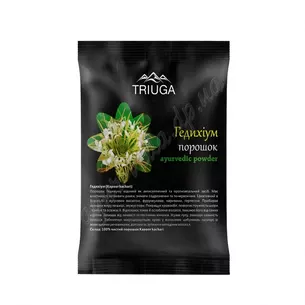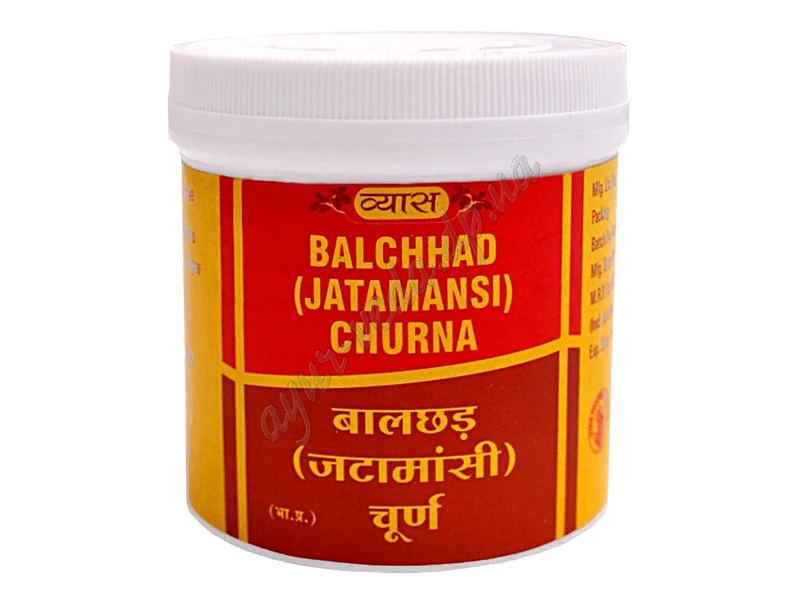
Packaging: 50 g.
Dietary supplement. Not a medicine.
Product form: powder
Recommendations for use: a dietary supplement to the diet, which can be recommended for general strengthening of the body, helps to improve immunity and reduces stress and improves sleep, anti-inflammatory and antifungal agent, adaptogen, antioxidant. It is recommended to follow a balanced diet, limit animal fats, sugar, sweets, and alcohol.
The dietary supplement should not be used as a substitute for a full-fledged diet.
How to use: 1-3 g. together with warm water 1-2 times a day, drinking warm water (milk), with the addition of honey, or it can also be taken with Chavanprash, thereby increasing the effectiveness.
Recommended use: adults and children after 13 years of age Duration of use 20-30 days.
Consult with a doctor before use.
Contraindications: individual sensitivity to components, children under 13 years of age, pregnancy, lactating women, acute gastritis, peptic ulcer disease of the stomach and duodenum.
Composition (each 5 g contains): Jatamansi (Nardostachys jatamansi) 5 g.
Expiry date: 2 years. Store in a cool (8 - 25 °C) place protected from light.
Date of manufacture and expiry date are indicated on the package.
Manufacturer: Vyas Pharamaceuticals 98-C, Sector-E, Sanwer Road, Indore-452 015
Call us: 0731-2722703
E-mail: [emailprotected]
Synonyms: Jatamamsy, Mamsy, Jatila, Bushy Aralia, Indian Aralia, Heartleaf Aralia.
Family: Valeranaceae.
Used part of the plant: roots.
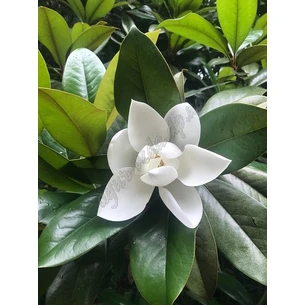
Plant description: herbaceous plant that grows in the highlands Himalayan, 10-60 cm tall, with a branched long, strong basal shoot, bordered by final fibers from petioles of withered leaves, more or less erect, although more often creeping along the ground. The leaves are oblong, radial, 4-7 cm. in length, with pronounced venation, number 15-20, located at a distance of 2-3 cm. side by side, smooth or slightly pubescent, tapering to the petiole. Flowers usually 1, 3 or 5, bract 6 mm, oblong, corolla 6 mm, pubescent. The fruit is 4 mm in diameter, wrapped in white hairs and has crown-like, sharp white teeth. The plant blooms in the rainy season, bears fruit at the end of autumn.
Chemical composition: the roots contain crystalline and jatamansic acid, angelicin, oils. Proteins, starch, carbohydrates, essential oil, mineral compounds, a small amount of alkaloids were found. Glycosides of oleinolic acid, vitamins A, B and C were isolated from the roots.
The roots contain: ash - 4.84%, macroelements (mg/g): K - 17.80, Ca - 10.60, Mg - 2.10, Fe - 0.30, trace elements (KBN): Мn - 0.23, Cu - 0.56, Zn - 0.43, Mo - 4.40, Cr -0.03, Al - 0.31, Ba - 6.74, Se - 5.30, Ni - 0.09, Sr - 1.85, Pb -0.02, V - 0.11. B - 78.00 μg/g. Can accumulate Mo, Sr.
The branches and leaves contain carbohydrates, essential oil, flavonoids, alkaloids, triterpenoids, organic acids and anthocyanins. The seeds contain saturated unsaturated fatty acids (linoleic, octadecenoic).
Effect: mild sedative, improving blood circulation, improving metabolism, antispasmodic, anti-inflammatory, strengthening, tonic and adaptogenic. They have an adaptogenic effect on the central nervous system, superior in activity to the effect of ginseng and Eleutherococcus preparations. The gonadotropic effect of jatamansa root extract is noted. The plant does not have a significant effect on blood pressure, slightly stimulates breathing and has some cardiotonic effect. Its powerful anti-stress effect has been proven.
Therapeutic effect: it is one of the best aromatherapeutic agents for calming the nerves. It restores mental balance, gives courage and strength, it helps to find the ground under your feet and take control of events. The rhizome of the plant is a well-respected, generally recognized, effective and potent remedy used for amnesia, mental disorders, headaches, migraines, hysteria, overexcitement, insomnia, obsessive-compulsive states, convulsive syndrome, mental disorders associated with menopause, psychological problems, and stress. It can be used for strokes and disorders of blood supply and blood circulation of the brain. It is used in the initial stages of atherosclerosis, impotence, menopause.
Antiseptic, causes appetite, carminative, diuretic and expectorant, promotes bone growth, stimulates menstruation, nerve tonic, sedative for the spinal cord, stimulant, tonic drug, tranquilizer, anthelmintic (especially when infected with tapeworms).
Useful for hypertension, colds, coughs, diseases of the respiratory system, colic, cholera, flatulence, diabetes, diarrhea, indigestion, heart diseases, arrhythmia, bradycardia, tachycardia, menstrual cycle disorders, dysmenorrhea, headache, susceptibility to stress, nervousness, hysteria, convulsive syndrome, convulsions, increased excitability, epilepsy, erysipelas, leprosy, hair growth disorders. An excellent stimulant, it has general strengthening and immune-boosting properties.
The extract is added to soap to improve skin structure and treat skin diseases.
Being a liver tonic, the plant is used for diseases of the liver and gall bladder - hepatitis, poisoning, impaired bile flow. Aphrodisiac, rejuvenating agent.
Cure action:
Helps with insomnia, nervous tension, migraines. Effective for dizziness, vegetative-vascular dystonia.
Anti-inflammatory, antipyretic, bactericidal, fungicidal.
Cardiovascular system
It has a mild antisclerotic effect. Normalizes blood pressure.
Digestive system
Optimizes the work of digestive organs, eliminates spasms, flatulence, enzymatic deficiency.
Urinary system
Urine. It has hygienic, antibacterial and anti-candida properties, forms a pleasant smell.
Endocrine system
Eliminates pain and irregular menstruation. Eliminates "tides" in the climacteric period.
Immune system
Helps with allergic skin reactions.
Nervous system and sensory organs.
Jatamansi 50 g. Vyas Pharmaceuticals, Nardostachys jatamansi Vyas Pharamaceuticals, soothing drug, Nard Indian, Aralia Indian, Jatamansi, Ayurveda Here