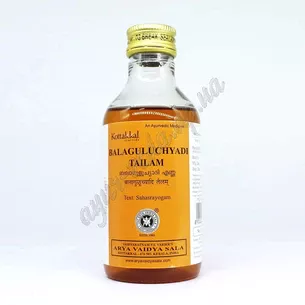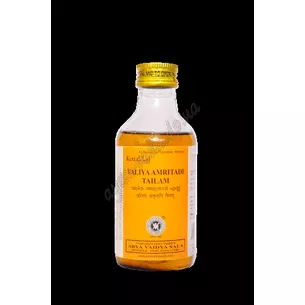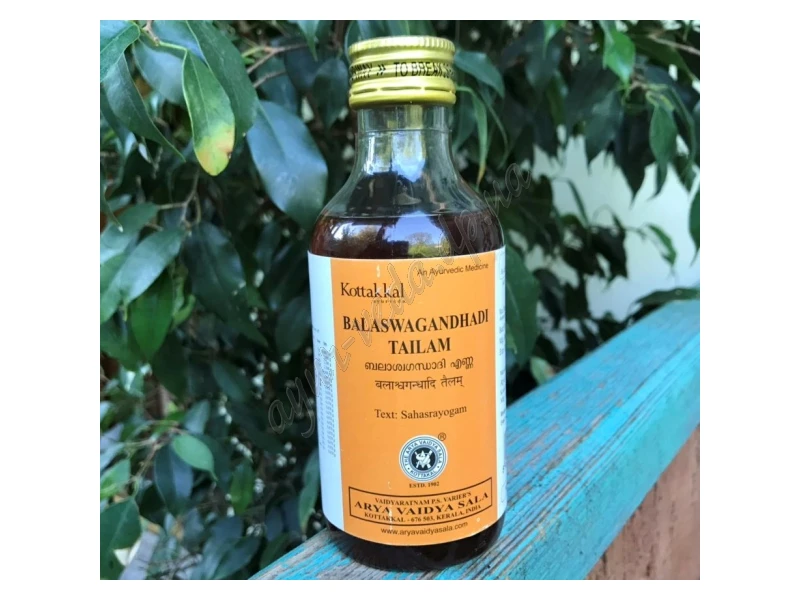
Method of application: Arya Vaidya Sala Kottakkal (AVS) - Kottakkal Arya Vaidya Sala Kottakkal Ayurveda (AVS Kottakkal Ayurveda) is a charity project that has been developing Ayurveda and spreading it around the world for over a century. The organization is a supporter of the classical principles and means of Ayurveda. AVS Kottakal Ayurveda was founded in 1092 in India, in the state of Kerala, by Dr. Vaidyaratnam P.S. Varrier. Starting with a small village hospital, Professor Varyer turned it into a serious multifunctional medical center. In the future, Ayurvedic clinics were opened in other cities of India. As part of the ABS Kottakkal project, 3 large plants for the production of Ayurvedic drugs using classical recipes and modern developments are operating. The drugs are available not only to clients of the company's clinics, but also to everyone. This is possible thanks to a wide network of distributors. The organization has its own research base, regularly publishes in specialized mass media and conducts training programs. In addition, the company is engaged in growing medicinal plants, supporting cultural programs in India, and supporting the life and health of the poor. Today, the number of people wishing to undergo preventive and treatment programs at the Arya Vaidya Sala Kottakkal Ayurveda clinics is large, so the waiting list can be up to a year. But you can buy the organization's drugs and check their effectiveness without waiting in line in our storehttp://ayur-veda.dp.ua/ Arya Vaidya Sala Kottakkal (AVS) - Kottakkal products in our store Balashwagandha tail oil Kottakkal 200 ml, Balaaswagandhaadi tailam AVS Kottakkal, for Vata imbalances and for strengthening immunity, Ayurveda Here Ayurveda Here! - an online store of Ayurveda, cosmetics, Indian tea, spices, Indian clothing and jewelry. The best selection of Ayurvedic products in Ukraine! Beauty and health for you and your family, esoteric shop, esoteric shop, souvenir shop, Indian souvenirs, sari, Saris, himalaya, Dabur, Nagarjuna, shatavari, incense, bijouterie, agarbatti, incense, Ayurvedic preparations from India, chavanprash, triphala, dabur, Himalaya,#ayurvedazdesde http://ayur-veda.dp.ua/
In case of pain in the muscles and bones, oil should be applied to the painful places. And for the prevention of diseases and strengthening of the genital organs, a light massage of the abdomen with "Balansvagandhady" is recommended. for a general massage. Apply to the problem area and leave it on the body for 30-40 minutes. After 30-40 minutes, wash off the oil.
Sida rhomifolia is a powerful tonic. Nervous, respiratory and vascular system. Improves the elasticity of blood vessels, dissolves "stars" and "stretch marks" on the skin porcelain. Lacifer lakka is a wax-like substance (gummylak) that is secreted by these insects varnishes, paints, medicine and cosmetics. It perfectly cleanses the skin, simultaneously enriching it with nutrients and creating a protective layer of moisturizing "membrane". It is also used in lotions, soaps, nail polishes, etc.
Nymphaea nouchali is a perennial rhizome plant, widespread in India. The name "nymph" is given to the flower from the legend of unrequited love and turned into a beautiful flower. It is considered a powerful plant that is used by many All parts of the plant are used for medicinal purposes. In Ayurvedic medicine, water lily rhizomes contain starch, resin, and bitter substances. The alkaloid nymphein, which is contained in the rhizomes of the plant, has a psychoactive effect on the human nervous system The rhizomes and roots of the water lily are recommended to be used for inflammatory processes, as well as a decoction of the water lily roots in wort. The root of the water lily has long been prescribed as a cure for various types of tumors. Soothing and astringent. Glycoside is a sedative. When used internally, water lily flowers are unusually beautiful. Flowers contain essential oil and have a sedative effect. Flowers are used in cosmetics They are used as a sedative (for insomnia, neurosis), a sedative (for rheumatism, neuralgia, toothache). The leaves are also recommended as an antipyretic (infusion). The leaves can be mixed with the root and applied to wounds and abscesses. The seeds are recommended for urolithiasis contain starch (up to 50%) and tannins (almost 10 times less than in water lily rhizomes), fatty acids (8%) and essential oils. The seeds are used to make a drink similar to coffee. Decoctions of water lily seeds are used as a cleansing agent. and bleaching agent for tanning, freckles, blackheads. Water infused with water lily flowers is an excellent cosmetic (most often used for baths).
Aquilaria agallocha grows in India. It is used in the East as a material for incense in religious rituals. Practically all cultures used this magnificent oil for ritual, ceremonial purposes. Especially valuable parts of the trunk, heavily impregnated with fungus, are obtained from the oldest trees in the world - agarwood oil. The smell of this oil is sweet, similar to the smell of sandalwood. It cleanses and balances the energy of a person It is used for inhalation. It is considered one of the best and most effective incenses that relieves physical stress and discomfort, which leads to anxiety and various types of emotional discomfort. Agar oil and plant powder are used by diluting general oils for general massage, lower back, neck, for arthritis, pain and discomfort. The oil in small doses is included in the recipes of exquisite oriental perfumes and for flavoring expensive perfumes. Aloe tree is considered the strongest water purifier, so it was planted in stagnant reservoirs, thereby obtaining crystal clear "holy" water.
Cedrus deodara (himalayan cedar) - a magnificent tree that grows in the Himalayas at an altitude of up to 3,500 m above sea level. In Sanskrit, cedar has served both human and animal life, helping to preserve or restore weakened health. responsible for the health of the Himalayan cedar, in case of disease and the death of cattle, the Himalayan cedar was called the "aristocrat of the world". Tablets found during archaeological excavations of the Sumerian Kingdom confirm that pine extracts and poultices were used in prehistoric times resins. It has long been noticed (and in our time it is scientifically proven) that the cedar grove has practically no microbes.
Deodorant wood is rich in sesquiterpenoids. With its help, skin diseases, headaches, and arthritis are cured. It has a beneficial and effective effect on the nervous, endocrine, and respiratory systems. It has a pronounced antiseptic, expectorant, diuretic and nerve-strengthening effect. Himalayan cedar oil, made from its red-brown wood, has excellent healing properties. Contains 1-methyl-4-acetyl-1-cyclohexene, 40% p-methyl-tetrahydroacetophenone, a- and y-atlanone, fatty acid esters (butyric acid, stearic acid). It helps with kidney and urinary tract infections, successfully resists depression, and is very effective in cases of congestion in the bronchi. The oil has a strong, woody, almost balsamic aroma spiritually, it helps to master the art of pranayama (breathing exercises).
Used in massage oils, making soaps, creams, aromatization of baths. In Nepal, essential oil is obtained from the needles of the Himalayan cedar, which is used in rubs to relieve rheumatic pains, and also as a repellent. It enhances lymphatic drainage and has a lipolytic (fat-releasing) effect In this composition, the heartwood is used.
Cynodon dactylon is a perennial herbaceous plant up to 50 cm tall. The rhizomes contain a lot of starch and sugar. All parts of the plant are used in Ayurvedic medicine Blood circulation, urinary, respiratory. The spectrum of its use is quite high. Rhizomes are used in diseases of the chest cavity (cystitis, etc.). skin diseases, warts, bites of poisonous snakes, convulsions, epilepsy, cystitis, diarrhea, dysentery, rubella, hypertension and kidney diseases. Curcuma longa (wild ginger, turmeric, haridra) has been used for many years. A herbaceous plant up to 60 cm long, with a thick, rounded root. The rhizome of the plant is used for medicinal purposes. It affects the digestive and circulatory systems. Zingiberin, which is active against some pathogens of intestinal infections, is also an excellent natural antibiotic that improves digestion and normalizes the intestinal flora. It cleanses the blood, warms it and stimulates the formation of new blood cells. nosebleeds, postpartum bleeding. Turmeric increases appetite, improves digestion, increases the antitoxic function of the liver, reduces the content of harmful cholesterol in the blood. Turmeric is recommended in Ayurvedic medicine for such diseases as gastrointestinal dysbacteriosis, hyposecretory gastritis, cholecystitis, pharyngitis, and diabetes. Turmeric is effective for arthritis, tendon inflammation, and wounds. Cares for the skin and fights various skin diseases.
Turmeric, in addition to its medicinal properties, is also used in religious rituals elasticity.
Santalum album (white sandalwood, chandanam)- Since ancient times it has been used in India for religious purposes and since time immemorial - as a perfumery. To this day, sandalwood oil is used in the preparation of incense "aitar" with rose oil. Deodorizing, antispasmodic, expectorant, bactericidal, healing and hyposensitizing effects digestive, nervous and circulatory systems. Contributes to the development of intelligence. It reduces fever, thirst, burning sensation, normalizes sweating. Sandal improves metabolism, has carminative, hemostatic and cooling effects. In Ayurvedic medicine, it is used for eye pain, palpitations, acute dermatitis, herpes zoster, gonorrhea, bronchitis, and sunstroke. Sandalwood is also effective for such problems as cystitis, urethritis, and vaginitis. Sandal helps with all inflammatory conditions and promotes blood purification.
Cyptrus rotundus (round, musty) is a perennial herbaceous plant with a single triangular stem and narrow leaves. A weed that grows along the banks of rivers, in low-lying areas everywhere in India. For Ayurvedic medicine, plant rhizomes and seeds are used. The rhizomes contain alkaloids, cardiac glycosides, flavonoids, tannins, essential oil with a camphor smell (up to 1%). The essential oil contains acinerone, cinerene, isocinerol, cinerotundene, sugenol, cigetriol, cinerolone, cobuzan, isocobuzan, pinene, cineole, isocyimerol and sesquiterpene. Fatty oil contains wax (2.7%), glycerin, acids: linoleic, linolenic, oleic and stearic, as well as starch and an unstable alkaloid. Essential oil has an antibacterial effect against cocci bacteria.
Rhizomes called "musta" are used for menstrual cycle disorders. This is one of the most important plants for the treatment of female diseases, as it relieves menstrual pain, eliminates premenstrual blood stasis and fluid accumulation in the body. Musta is one of the most powerful and effective means of regulating the menstrual cycle and premenstrual syndrome, which also relieves depression and irritability. It is also used during the climacteric period. Musta reduces the contraction of the uterus, has an analgesic effect, and stimulates sexual activity. It also increases urination and sweating, has an insecticidal and anthelmintic effect. Musta is an effective digestive stimulant. It improves absorption in the small intestine and, thus, stops diarrhea, simultaneously contributing to the destruction of intestinal parasites. Thanks to these properties, it is effectively used for candidiasis and yeast infections of the gastrointestinal tract. Musta is also recommended for chronic fevers and to improve digestion for various gastritis. One of the varieties of the wild ginger family. It is an effective analgesic. It is used in Ayurvedic medicine in anti-rheumatic compositions. It has all the main properties inherent in ginger. Has a warming, anti-inflammatory and stimulating effect. Stimulates the body's creation of new healthy cells, destroying diseased and malignant cells. The rhizomes of the plant are used in this composition.
Anethum graveolens (dill, satatva)- Grows in tropical and subtropical regions of India. Fennel fruits are rich in essential (up to 4%) and fatty (up to 20%) oils. The main component of the essential oil is carvone (up to 60%), it also contains: dillapiol (up to 40%), phellandrene, dihydrocarvone, carveol, dihydrocarveol, isoeugenol, etc. Fatty oil contains up to 93% of glycerides of fatty acids, among which are petroselinic, palmitic, oleic, and linoleic. The fruits also contain coumarins, phenolic acids, flavonoids, resins, wax, and protein (up to 15%). Essential oil from flowering green dill is a colorless or greenish liquid with a smell similar to that of dill. The composition of the oil includes phellandrene, carvone, limonene, "dill ether" and accompanying dihydrocarvone, carveol and dillapiol. The oil does not have a phototoxic effect. It is used in the food industry as a spice. Sometimes carvone and limonene of perfume quality are isolated from dill oil. Antiseptic and pain-relieving properties of fennel oil are noted, in aromatherapy it is recommended to use it during massage, as well as as a sedative. It is rich in vitamins C, B1, B2, PP, P, provitamin A, salts of potassium, calcium, phosphorus, iron, contains folic acid, flavonoids (quercetin, isorhamnetin, kaempferol).
Since ancient times, dill has been widely used in cooking and medicine. Dill fruits are mainly used for medicinal purposes. Oils, infusions, dry collections, decoctions are prepared from the fruits. They increase the secretion of the digestive glands, have antispasmodic, expectorant, choleretic, diuretic, sedative effects. They regulate the motor activity of the intestine, have some antibacterial effect. In lactating women, they increase lactation, and also cause a coronary-dilating and peripheral vasodilating effect. The fruits are also used to soothe a headache. Decoctions and infusions are also used in traditional medicine for the treatment of eye diseases, painful urination, kidney and bladder stones. It is effective for chest and back pain. The seeds are used for asthmatic attacks, for the treatment of coronary insufficiency and hypertension.
Dill leaves are recommended for use in hypochromic anemia, due to the high content of ascorbic acid, carotene and iron.
In cosmetics, fennel oil is used as part of skin care products, especially intended for dry and sensitive skin, in oral hygiene products, in whitening products compositions.
Sesame Oil
Other ingredients: gorchorus trilocularis, glycyrrhiza glabra, kaempferia galangal, sassurea lappa, rubia cordifolia, hemidesmus indicus, nelumbium speciosom, watery portion of curd.
Does not contain any animal products and is not tested on animals.
Description