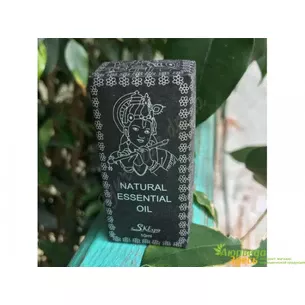
Package: 3 ml
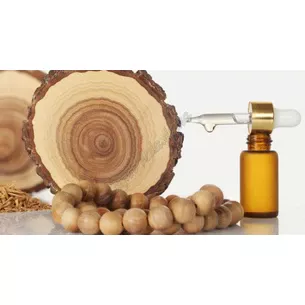
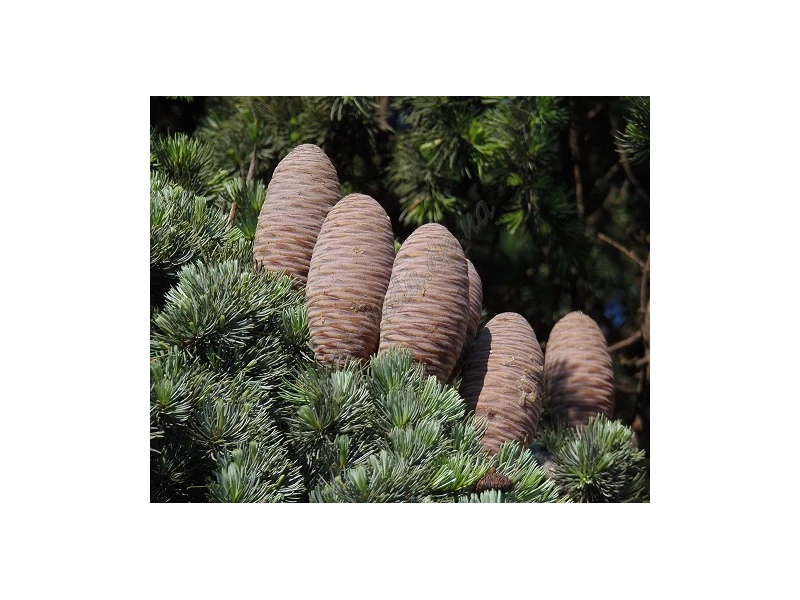
Cedar oils on the market are most often considered to be essential oils obtained from certain types of cedar: Himalayan, Atlas, from other coniferous species - junipers, cypresses and small decorative coniferous trees similar to them - cypresses, widespread in Japan, China and America. Oils are obtained from crushed bark, wood, and young shoots by the method of steam distillation - distillation with steam: after the evaporation of liquids at high temperatures, condensate forms, entraining essential oils with it. bitter-smoky and warm, with woody notes. They are similar in composition and are often used in perfumery and cosmetology, however, almost all cedar oils are similar in this - only the ratio of components in them is different - there are many of them, and we will not list the complex names. However, all oils have one common component – cedrol, a sesquiterpene alcohol, which is also called cedar or cypress camphor.
Properties of cedar essential oil
Cedar essential oil has many healing properties: soothing, tonic, pain-relieving, anti-inflammatory, antiseptic, antiviral, bactericidal, diuretic, astringent, expectorant, immunomodulating, antioxidant, regenerating, antiallergic, antifungal, insecticidal, etc.
In home conditions, it is quite simple and effective to use aromatic oils both for cosmetic and medicinal purposes. They can be used as perfume, for filling aromatic sachets, added to baths and used to prepare individual cosmetics. Aromatic oils will also help with some ailments and can become a preventive measure against headaches, colds, and muscle pains. Oils should be stored in a cool, dark place in dark glass bottles to prevent their oxidation in the world, and also try to minimize their contact with air.
Oils are often used by professional aromatherapists for general body massage. Oils are selected depending on the patient's state of health and mixed with a basic oil, for example, almond or grape. The concentration of aromatic oil in the mixture usually ranges from 1 to 3%, depending on the type of disease. As a rule, with rheumatism or indigestion, the concentration is higher than with diseases caused by emotional shocks or nervous disorders. Twenty drops of aromatic oil are approximately equal to 1 milliliter, so when preparing the mixture, use the following proportions:
1. The main aromatic oil.
2. 20-60 drops of 100 ml
3. 7-25 drops of 25 ml
4. 3-5 drops 1 teaspoon
Massage itself is both a strengthening and relaxing procedure, during which healing aromatic oils enter the blood through the skin. To maintain good health, it is recommended to do self-massage, paying special attention to the soles of the feet and palms. It is also useful to rub those parts of the body where discomfort is felt, for example, peppermint oil can be rubbed into the stomach area clockwise in case of indigestion, and marjoram helps to relax the muscles of the neck and shoulders when they are stiff. Because of the high concentration (and high toxicity of some active components), aromatic oils are not recommended for internal use. The International Association of Aromatherapists also does not advise using aromatic oils in this way. Since aromatic oils are easily absorbed by the skin, they can affect the internal organs and systems of the body even when used externally. For example, with arthritis, which occurs due to the accumulation of toxins in the connective tissues, the appropriate diet and herbal medicines are effectively supplemented with the external application of aromatic oils of juniper and white birch - they help cleanse the body, relieve pain, inflammation and swelling. Dear friends, all the recipes givenin this section of a recommendatory nature. They are selected from various sources and based on letters with the results of their application. But what helped one person may be harmful to another. Therefore, before using this or that medicinal plant, if possible, consult a doctor.